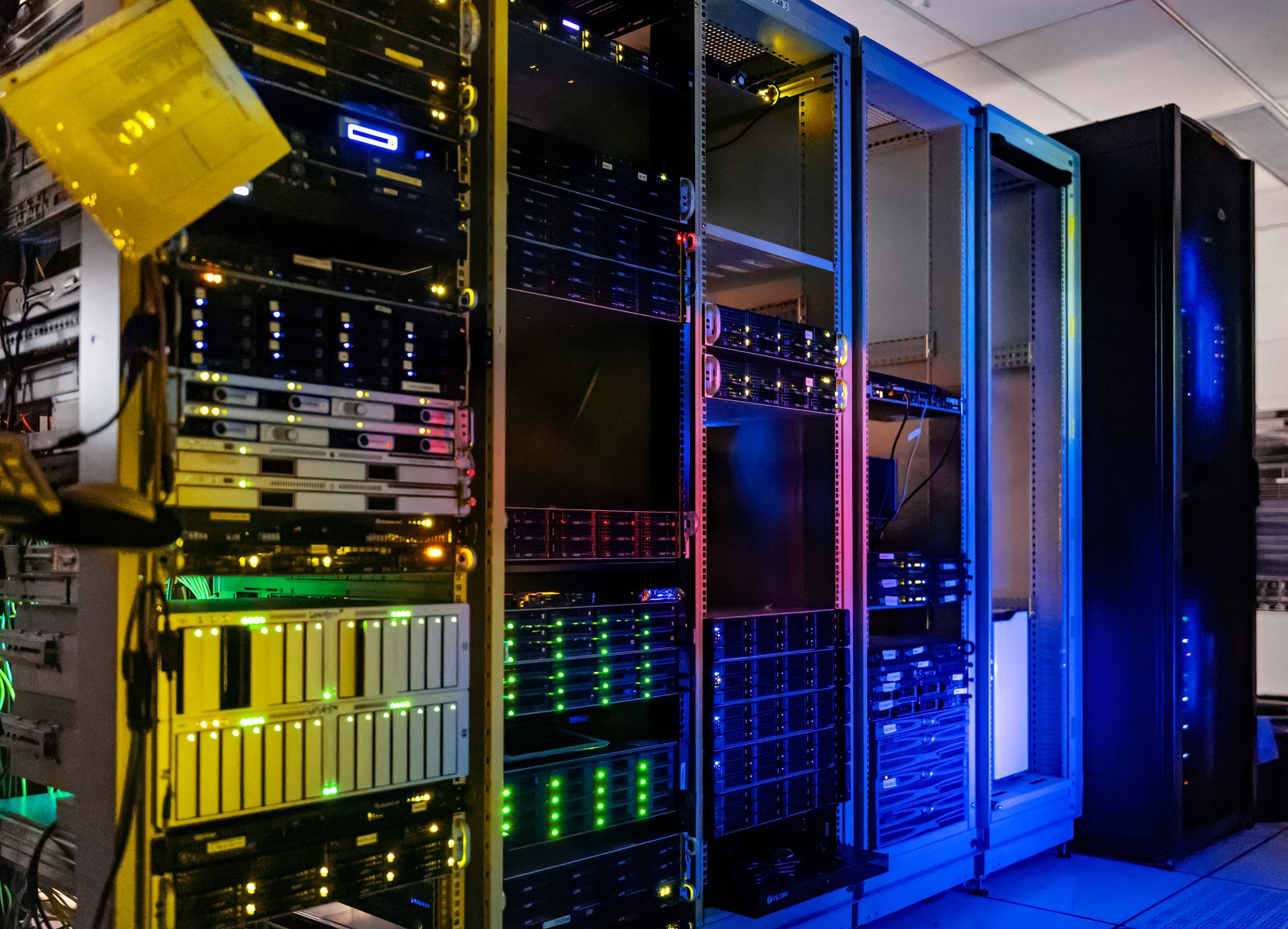
Advanced computing and intelligent systems
AI evaluation, data systems, visual computing, language technologies, software engineering, cyber-physical systems, reproducibility, and computational infrastructure for applied engineering.
Labs and major programs
Program portfolio
HKETRI program pages are written to support long-term institutional growth. Each cluster has a technical scope, possible methods, data or facility needs, and public-facing outputs that can be expanded into project pages, technical guides, and events.
AI evaluation, data systems, visual computing, language technologies, software engineering, cyber-physical systems, reproducibility, and computational infrastructure for applied engineering.
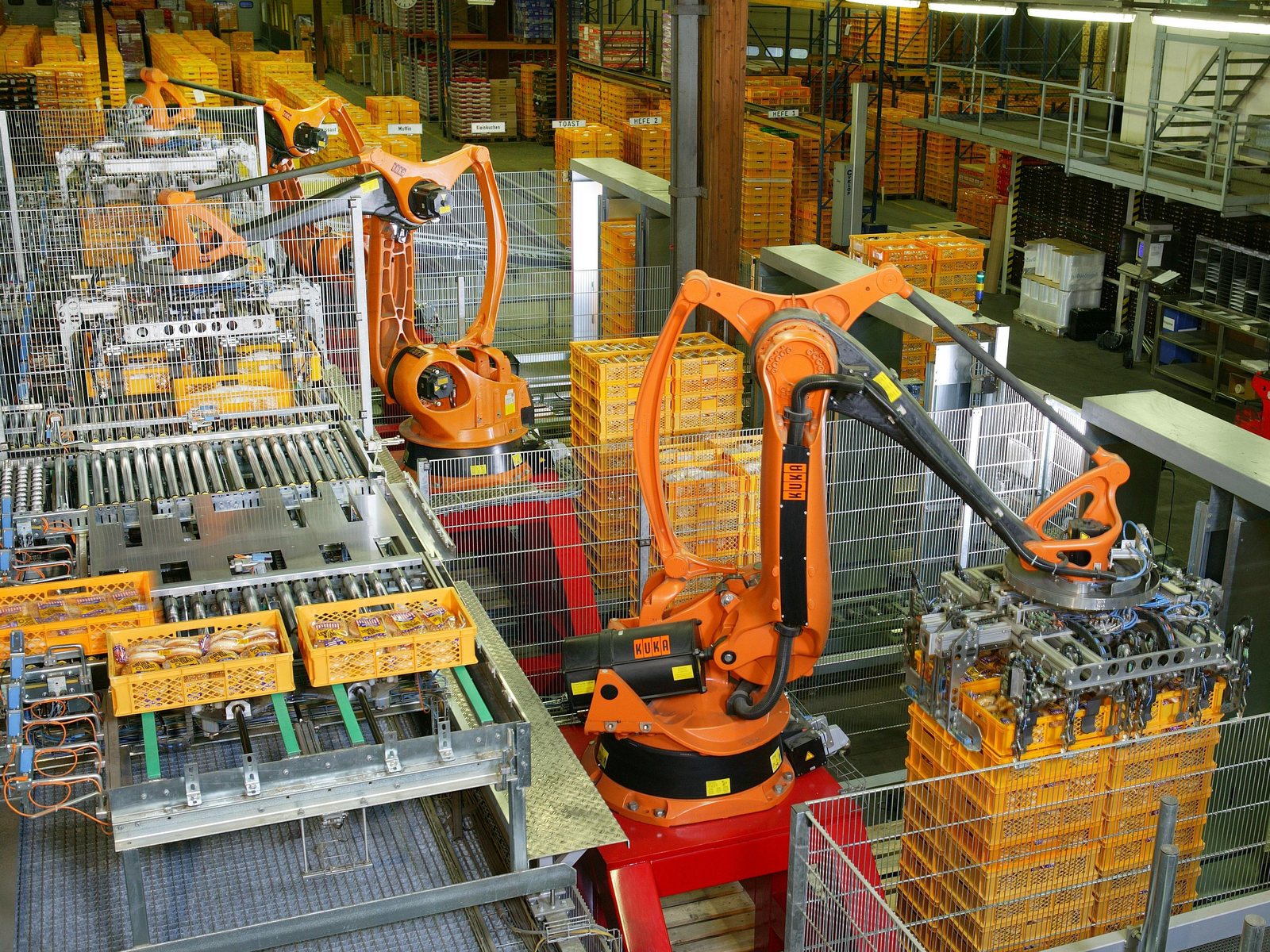
Robotics, autonomous technologies, manufacturing systems, industrial informatics, reliability engineering, control, human-machine collaboration, and system-level testing scenarios.
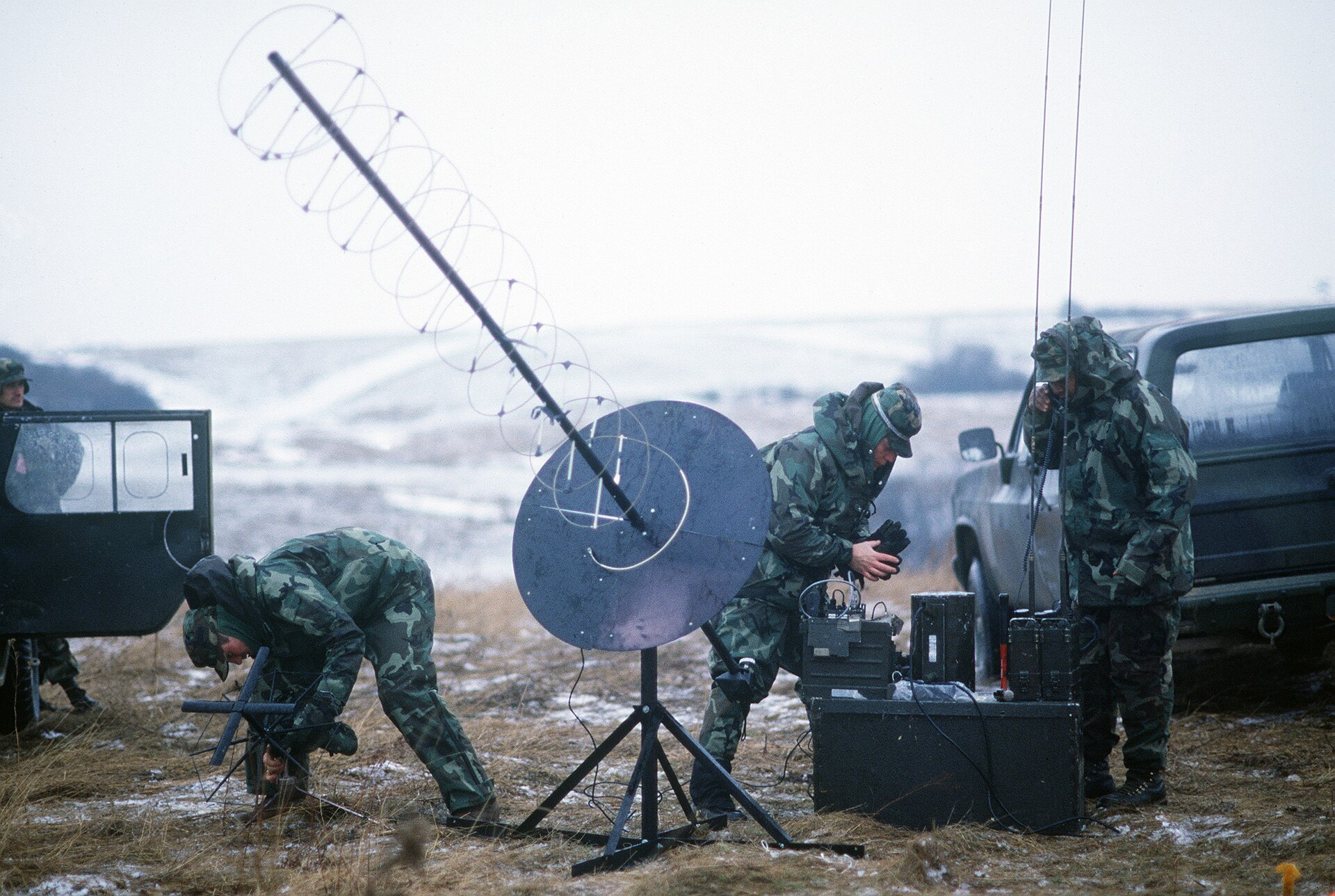
Communications systems, electronics, embedded devices, sensing, instrumentation, signal processing, networked measurement, data acquisition, and intelligent monitoring.
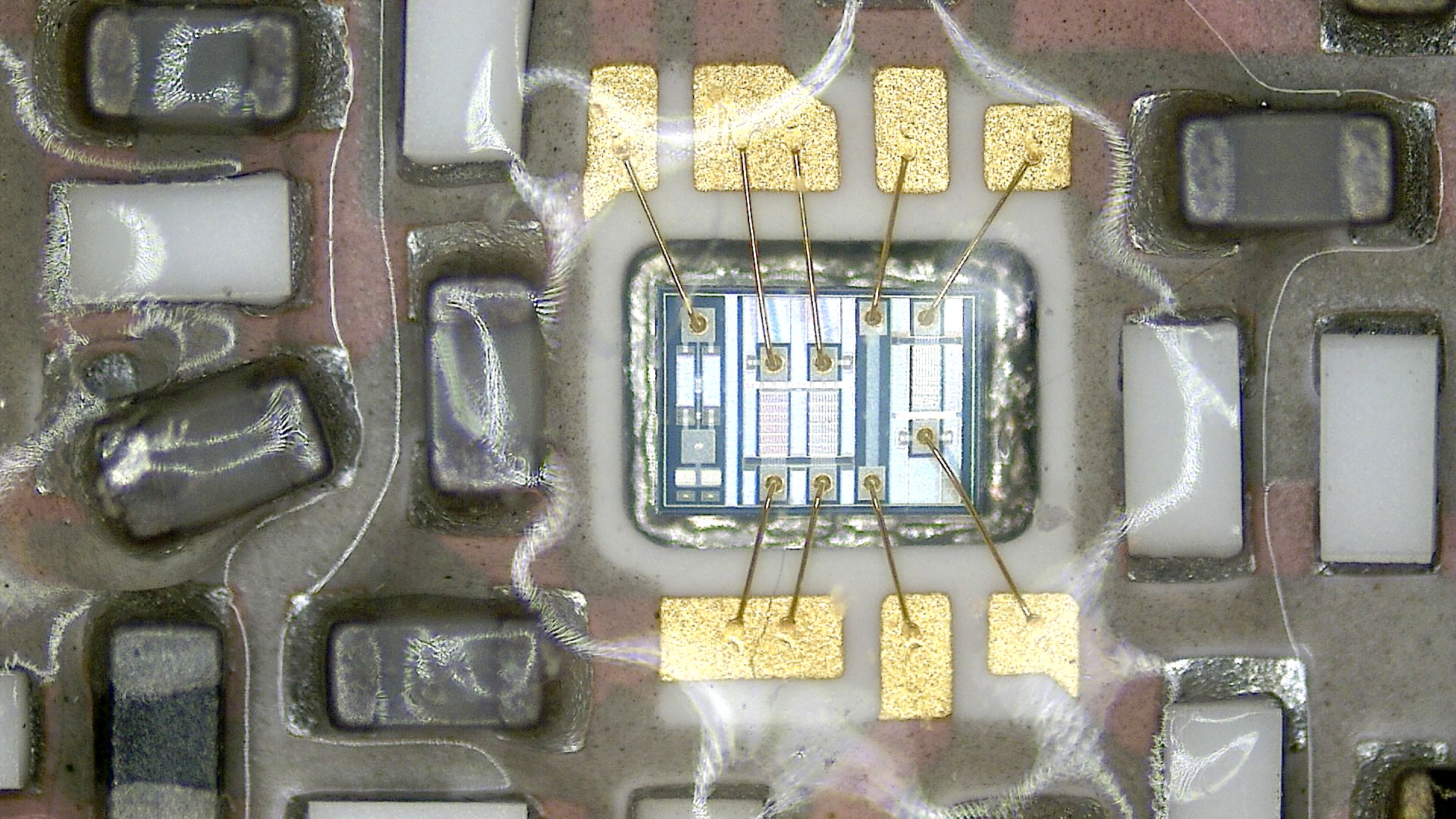
Materials characterization, structural reliability, testing methods, failure analysis, durability, microstructure interpretation, and engineering informatics for decision support.

Biomedical engineering, digital health, clinical technology assessment, public health data, medical devices, care systems, and evaluation language for health technologies.
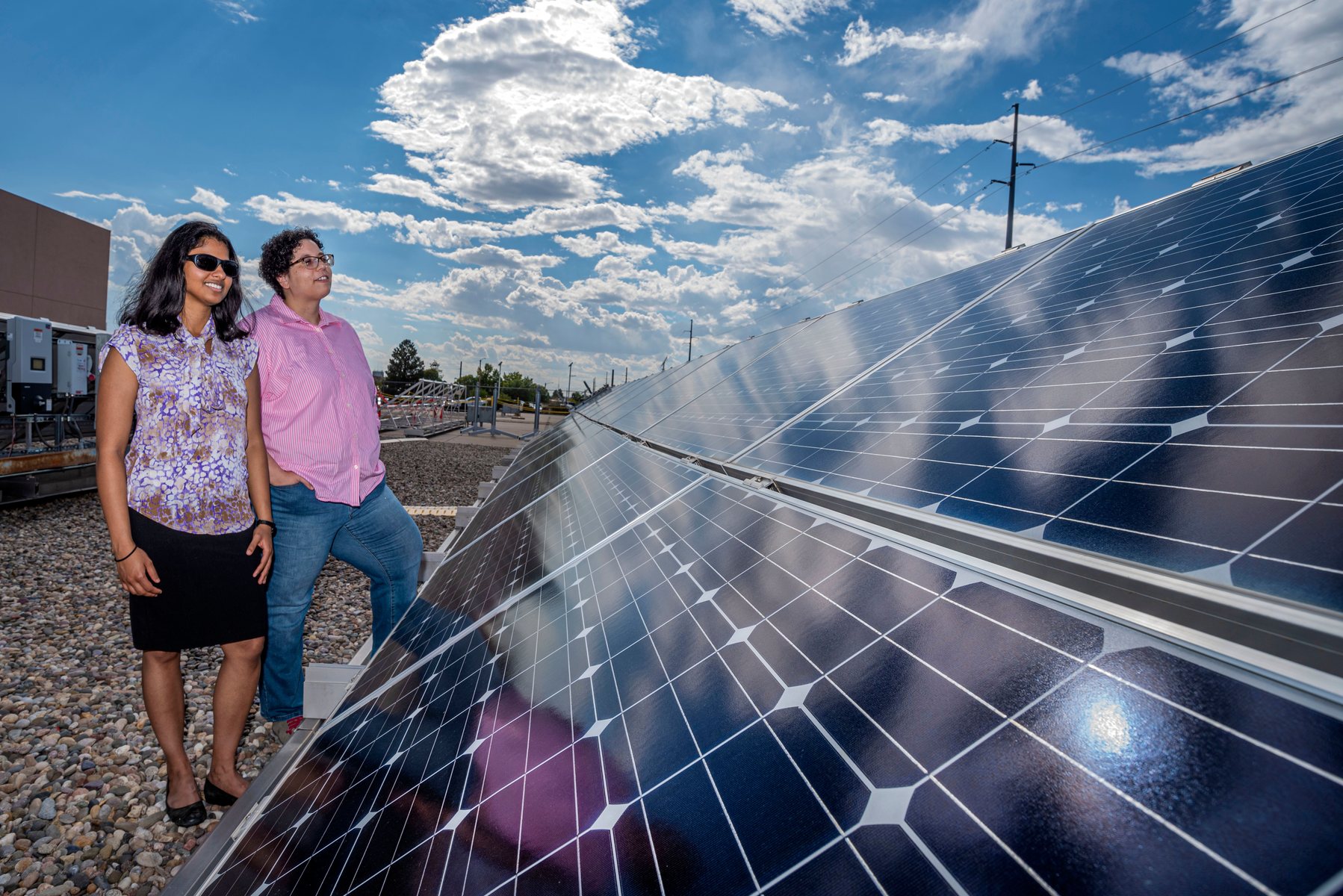
Environmental technologies, energy systems, management, economics, development, policy translation, public infrastructure, and responsible science communication.
Program development begins with a broad technical domain and then defines what types of problems, methods, data, facilities, and public records belong inside that domain. This keeps the site from becoming a list of narrow topics and instead creates durable program homes that can support future research outputs.
For example, a communications and sensing program can later contain technical notes on sensor metadata, signal quality, calibration assumptions, field data collection, and edge-device evaluation. A materials reliability program can later contain pages on test conditions, failure analysis, microscopy, structural data, and reporting templates.
When program work develops into formal research outputs, related manuscripts and article records can be managed through the institute article platform.
OPEN ARTICLE PLATFORM