AI evaluation
Assessment plans for accuracy, robustness, bias, uncertainty, dataset limitations, and operational context.
Research areas
This area covers artificial intelligence, data science, visual computing, language technologies, software systems, and cyber-physical infrastructure. HKETRI presents intelligent systems as engineering systems that must be measured, documented, evaluated, and explained, not only as algorithms.
Work under this area may include model evaluation, dataset documentation, software workflow design, reproducibility notes, risk communication, human-in-the-loop systems, and performance reporting for applied settings.
Assessment plans for accuracy, robustness, bias, uncertainty, dataset limitations, and operational context.
Structured notes on data provenance, metadata, quality controls, access conditions, and responsible use.
Documentation for reproducible environments, versioning, dependencies, validation checks, and reporting formats.
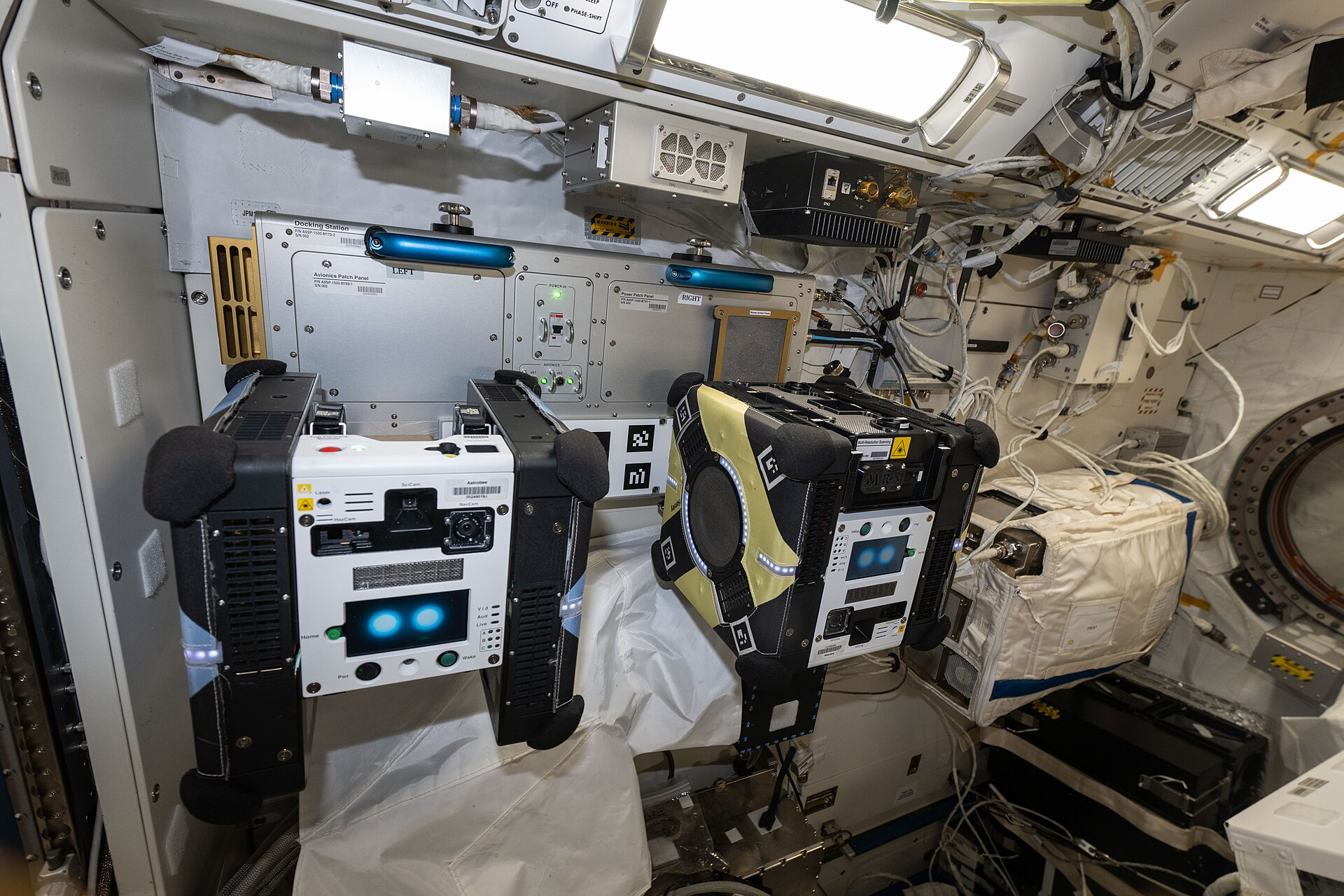
Automation research requires system-level thinking. HKETRI’s engineering systems area includes robotics, autonomous technologies, industrial automation, control, reliability engineering, system modeling, manufacturing informatics, and human-machine collaboration.
Program pages should describe test scenarios, operating conditions, safety constraints, sensing assumptions, interfaces, maintenance issues, and how performance is compared across conditions.
This area addresses communications systems, electronics, instrumentation, signal processing, sensor networks, edge devices, data acquisition, and intelligent monitoring. The goal is to support reliable measurement and interpretation in networked engineering environments.
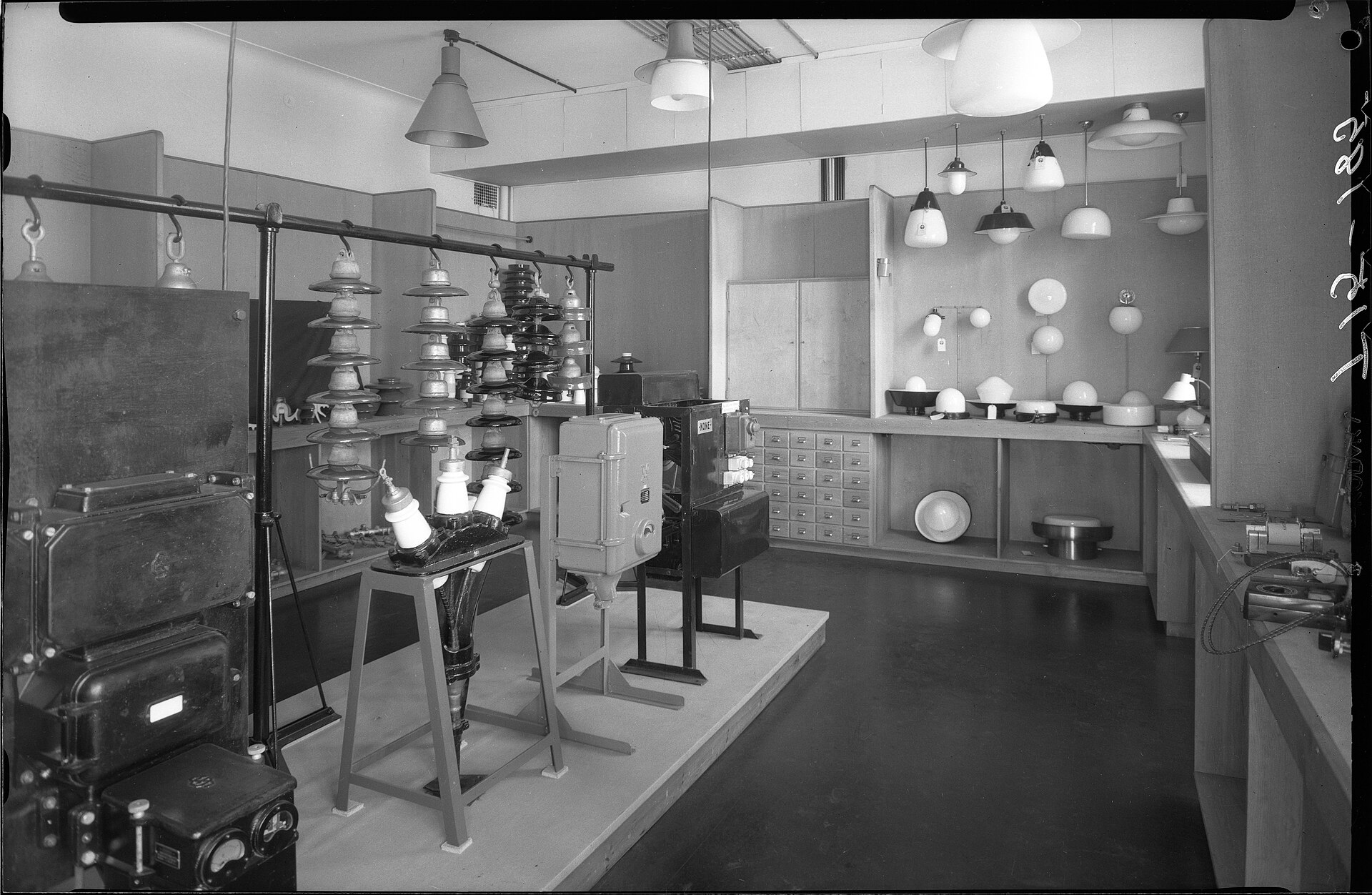
Materials and reliability research connects characterization methods, structural performance, failure analysis, testing conditions, and engineering informatics. HKETRI treats reliability as both a technical and documentation challenge: results are only useful when test conditions and limitations are visible.
This area can support pages on materials testing, durability, microstructure analysis, structural assessment, reliability data, and reporting practices for engineering decisions.
Health technology research includes biomedical engineering, clinical technology assessment, digital health, public health data, medical devices, and technology-enabled care systems. HKETRI’s role is to organize technical evaluation language and public-facing explanations, while avoiding unsupported medical claims.
Sustainability programs connect environmental technologies, energy systems, public infrastructure, development, applied economics, management, and policy translation. The institute can support clear system boundaries, data notes, assumptions, indicators, and decision-facing summaries.